Introduction
In the rapidly evolving landscape of aesthetic medicine, exosome therapy is emerging as a revolutionary treatment approach. These small, cell-derived vesicles are making a significant impact, particularly when applied topically after skin procedures to expedite healing and recovery. This comprehensive guide explores the exciting science underpinning this treatment, its remarkable benefits, the patient experience, and the meticulous process involved.
The Science Behind Exosome Treatments in Aesthetic Procedures
Exosomes are minuscule extracellular vesicles, measuring between 30 to 150 nanometers, secreted by nearly all cell types in the human body. Loaded with bioactive substances such as proteins, lipids, and nucleic acids like DNA, RNA, and miRNA, these nanovesicles are the maestros of cell-to-cell communication.
In the context of aesthetic medicine, exosomes derived from mesenchymal stem cells (MSCs) have piqued interest due to their regenerative and anti-inflammatory properties. When skin undergoes a procedure or sustains an injury, the body's natural response includes the release of exosomes carrying vital bio-information to enhance healing. By leveraging this natural healing process, exosome therapy offers considerable potential for post-procedure skincare.
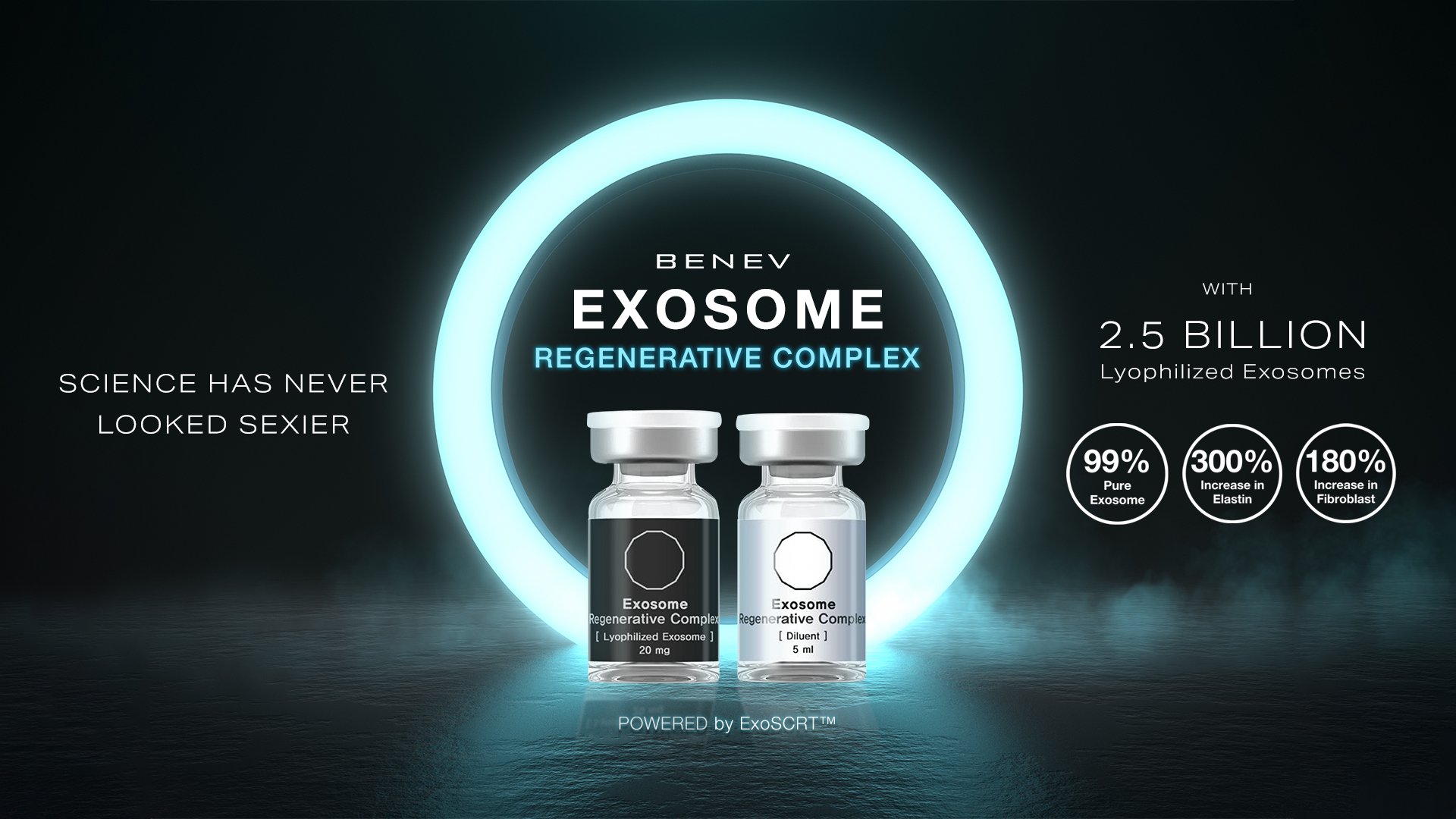
Benefits of Topical Exosome Treatments
Applying exosome treatments topically after skin procedures brings a host of benefits, ranging from accelerated healing to improved aesthetic outcomes. By delivering essential cellular information, exosomes help intensify the body's healing response, leading to quicker recovery times. This can be particularly beneficial following procedures such as micro-needling, laser treatments, or chemical peels.
Furthermore, thanks to their anti-inflammatory properties, exosome treatments can help reduce post-procedure swelling, redness, and discomfort, ensuring a more comfortable recovery experience.
Patient Experience with Exosome Treatments
Patients report positive experiences with topical exosome treatments. Prior to treatment, a thorough consultation is conducted to assess medical history, current skin health, and treatment goals, ensuring a personalized and effective skincare plan.
Post-procedure, the exosome treatment is applied topically to the affected area. Given its topical nature, this treatment is non-invasive and well-tolerated by most patients. Temporary side effects, such as mild skin irritation, are possible but typically resolve quickly.
Multiple applications may be necessary, depending on the specific treatment plan and the aesthetic procedure performed. Throughout the process, the patient's progress is monitored to ensure optimal healing and aesthetic outcomes.
The Process of Creating Exosome Treatments
Creating exosome treatments for topical application involves a detailed and carefully controlled process. It begins with the collection of mesenchymal stem cells, often sourced from umbilical cord tissue due to the high concentration of youthful and potent MSCs. These cells are then cultured under strict conditions to ensure their health and vitality.
Once the cells are ready, they are stimulated to produce and release exosomes. These exosomes are isolated and purified using advanced techniques like ultracentrifugation. Each batch undergoes stringent testing to confirm its purity, potency, and safety before it's approved for therapeutic use in the aesthetic medicine field.
Conclusion
In the realm of aesthetic skincare, exosome therapy is emerging as a ground-breaking treatment option. This innovative approach harnesses the body's innate cellular communication system to enhance healing and promote superior results post-procedure.
While research into exosome therapy continues, early results indicate a promising future for this treatment modality in aesthetic skincare. If you're intrigued by the potential benefits of exosome treatments following your aesthetic procedure, consider scheduling a consultation with Dr. Kagan for more information tailored to your individual needs.
Stay updated with this progressive field and explore the remarkable potential of exosome treatments for a faster, smoother recovery and superior aesthetic outcomes.


